SUPPLIERS OF SUPERIOR QUALITY CASTINGS IN ALL GRADES OF STAINLESS STEEL, STEEL, LOW ALLOY STEEL AND CAST IRONS FOR HEAT, CORROSION, WEAR AND ABRASION RESISTANCE.
Metals are cast into shapes by melting them into a liquid, pouring the metal in a mold, and removing the mold material.
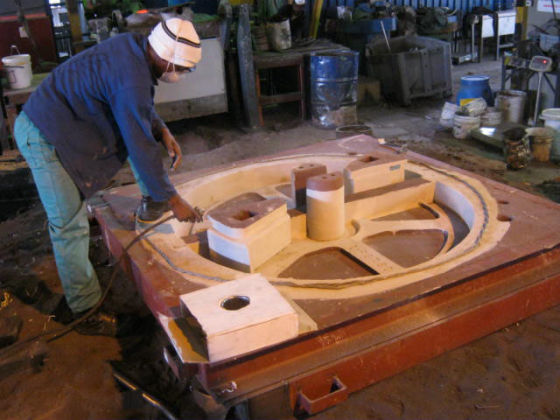
Closed molds contains a delivery system for the molten material to reach the mold cavity, where the part will harden within the mold.
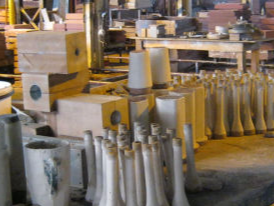
For metal castings with internal geometry cores are used. A core is a replica, of the internal features of the part to be cast.
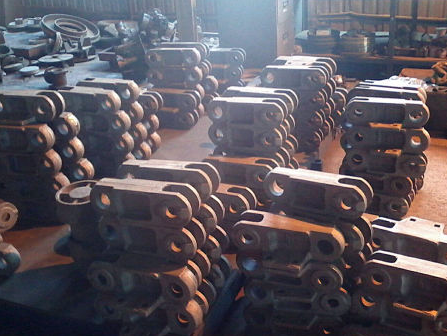
Fettling is the means by which a crude casting is turned into a cost effective quality component that meets all the required standards.
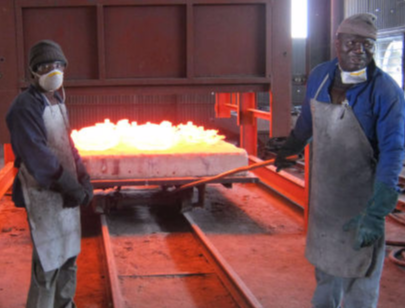
Heat treatment involves the use of heating or chilling, normally to extreme temperatures, to achieve a desired result .
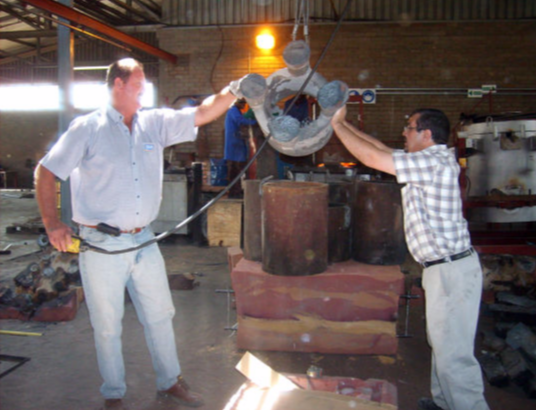
This operation needs to be carried out at a rate to suit production requirements, with no damage to the casting.
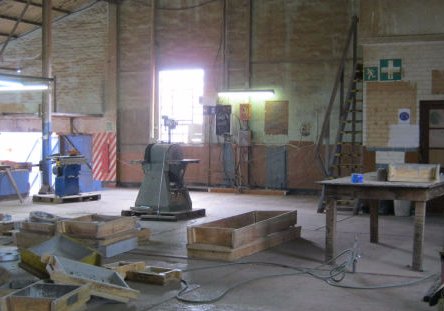
Lab equipment refer to a variety of specialized equipment used for analytical, diagnostic and research purposes.
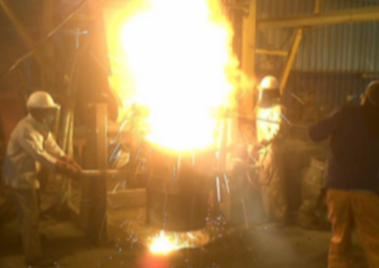
Large furnaces melt the iron and stay at temperatures ranging 2,600 to 2,800 degrees Fahrenheit.
Molding sand, is a sand that when moistened, compressed, oiled or heated pack well and hold its shape.
Used to prepare the cavity into which molten material will be poured during the casting process.
Casting involves pouring liquid metal into a mold, which contains a hollow cavity of the desired shape.
Typically, a
disc-shaped mold is spun along its central axis at a set speed.
One of the main focuses of the foundry is to manufacture components for the pump and valve industry. Therefore we are not limited solely to these industries. We have actively added mining, petrochemical, power generation and general engineering castings.
SHARE THIS PAGE!